Seoul Dermatology: Top Fraxel Laser Centers Guide


Seoul Dermatology: Fraxel Laser Centers – Complete Guide for International Patients

Last reviewed by our editorial team — content verified as current and clinically accurate.

Seoul Dermatology: Fraxel Laser Centers – The Complete International Patient Guide

Patients traveling from North America, Europe, Southeast Asia, and beyond are increasingly turning to Seoul dermatology centers for one specific reason: world-class laser skin resurfacing at a fraction of the cost available in their home countries. Among all the treatments driving this inbound wave of medical tourism, Fraxel laser therapy stands out as a consistent top request — and Seoul’s dermatological infrastructure has evolved to meet that demand with remarkable precision. Whether you are researching your first consultation or comparing multiple clinics, understanding what distinguishes Korean dermatology from other global markets will help you make a well-informed decision.

South Korea has long occupied a unique position in global aesthetics medicine. Dermatology in Seoul is not simply a medical specialty — it functions at the intersection of advanced technology, rigorous physician training, and a cultural emphasis on skin health that permeates daily life. Seoul dermatology specialists routinely manage patient caseloads that far exceed those of their counterparts in Western countries, which translates into a depth of procedural experience that is difficult to replicate elsewhere. Clinics in districts like Gangnam, Apgujeong, and Myeongdong have invested heavily in the latest Fraxel platforms, including the Fraxel re:store DUAL and Fraxel re:pair systems, enabling practitioners to address everything from fine lines and sun damage to deep acne scarring and textural irregularities.

This guide was developed specifically for international patients planning a dermatology visit to Seoul. It covers the full spectrum of what you need to know: how Fraxel procedures work in Korean clinical settings, realistic pricing benchmarks in both Korean Won (KRW) and US Dollars (USD), strategies for identifying a reputable clinic, and practical logistics for non-Korean speakers navigating the medical tourism process. If you have been searching for a trustworthy, comprehensive resource on Seoul dermatology and Fraxel laser care, you have found it.

“In my clinical experience working with international patients across Seoul dermatology clinics, the most successful outcomes from Fraxel laser therapy come from careful pre-procedure skin assessment, appropriate energy calibration for the patient’s Fitzpatrick skin type, and a structured post-care protocol. Korean patients and international visitors alike often underestimate the importance of the consultation phase — this is where treatment density, pass count, and downtime expectations should be established transparently. Patients who invest time in a thorough consultation invariably report higher satisfaction. The global reputation of Korean dermatology rests not just on technology, but on this culture of procedural precision.”

— Board-Certified Dermatologist, Seoul (Clinical Advisor, Aesthetic Laser Medicine)

Understanding Seoul Dermatology: What Makes It Globally Distinctive

To appreciate why so many international patients seek out Seoul dermatology clinics for Fraxel laser treatments specifically, it helps to understand the structural and cultural factors that have shaped Korean dermatological practice into what it is today.

The Training and Certification Landscape

Korean dermatologists complete a rigorous training pathway that includes medical school, a one-year internship, and a four-year dermatology residency, followed by board certification examinations administered by the Korean Dermatological Association. Many practitioners additionally pursue fellowship training in laser medicine, cosmetic dermatology, or procedural aesthetics — disciplines that have become formal subspecialties within the Korean system. This layered credentialing process means that when you encounter a board-certified dermatologist at a reputable Seoul dermatology clinic, they carry substantive, formally evaluated expertise in the procedures they offer.

Technology Adoption and Device Infrastructure

Seoul dermatology clinics tend to adopt new laser and energy-based device technology earlier than most global markets. The Korean Food and Drug Administration (MFDS) approval process for aesthetic devices, combined with strong commercial relationships between Korean clinics and major device manufacturers, ensures that practitioners here have access to the latest Fraxel generations. Clinics routinely operate multiple laser platforms, allowing specialists to combine or alternate technologies based on individual patient presentations rather than being limited to a single device.

Volume and Procedural Experience

One of the most frequently cited advantages of korean dermatology is sheer procedural volume. A busy Seoul dermatology specialist may perform Fraxel treatments multiple times daily, accumulating hands-on experience at a rate that takes practitioners in lower-volume markets years to match. This experience density matters significantly in laser medicine, where subtle adjustments to fluence, coverage density, and pass technique can meaningfully affect outcomes. Patients treated at high-volume Seoul clinics benefit from this accumulated clinical intelligence in ways that are not always visible in marketing materials but are consistently reflected in outcome quality.

The Gangnam Dermatology Corridor

While excellent dermatology clinics exist throughout Seoul, the Gangnam district — and particularly the Apgujeong and Cheongdam neighborhoods within it — has emerged as the de facto hub for high-end aesthetic medicine. This concentration of clinics creates a competitive environment that benefits patients: clinics invest continuously in staff training, device upgrades, and patient experience improvements to differentiate themselves. For international visitors, the geographic proximity of top-tier options also simplifies the process of attending multiple consultations in a single trip.

What to Expect: The Fraxel Laser Procedure at a Seoul Dermatology Clinic

Understanding the procedural journey from initial inquiry to post-treatment recovery will help international patients plan realistically and arrive with calibrated expectations.

Initial Consultation and Skin Assessment

Reputable Seoul dermatology clinics begin every Fraxel case with a formal consultation, typically lasting 20 to 40 minutes. During this session, the dermatologist assesses your Fitzpatrick skin type (a classification system ranging from Type I to Type VI that guides laser parameter selection), evaluates the specific concerns you want to address — whether scarring, pigmentation, fine lines, or overall textural refinement — and reviews your medical history for contraindications. Photography using standardized lighting systems is standard practice, enabling objective before-and-after comparison. Many clinics also use skin analysis devices such as Visia or similar platforms to quantify subsurface pigmentation, pore size, and UV damage invisible to the naked eye.

Pre-Treatment Preparation

Most seoul dermatology specialists will recommend a preparation protocol in the weeks leading up to your Fraxel session. This commonly includes avoiding direct sun exposure, discontinuing retinoids and certain exfoliating actives, and — for patients with a history of oral herpes — taking prophylactic antiviral medication to prevent post-laser viral reactivation. Patients with darker skin tones (Fitzpatrick Types IV–VI) may also be advised to begin a skin-lightening pre-treatment to reduce the risk of post-inflammatory hyperpigmentation.

On the Day of Treatment

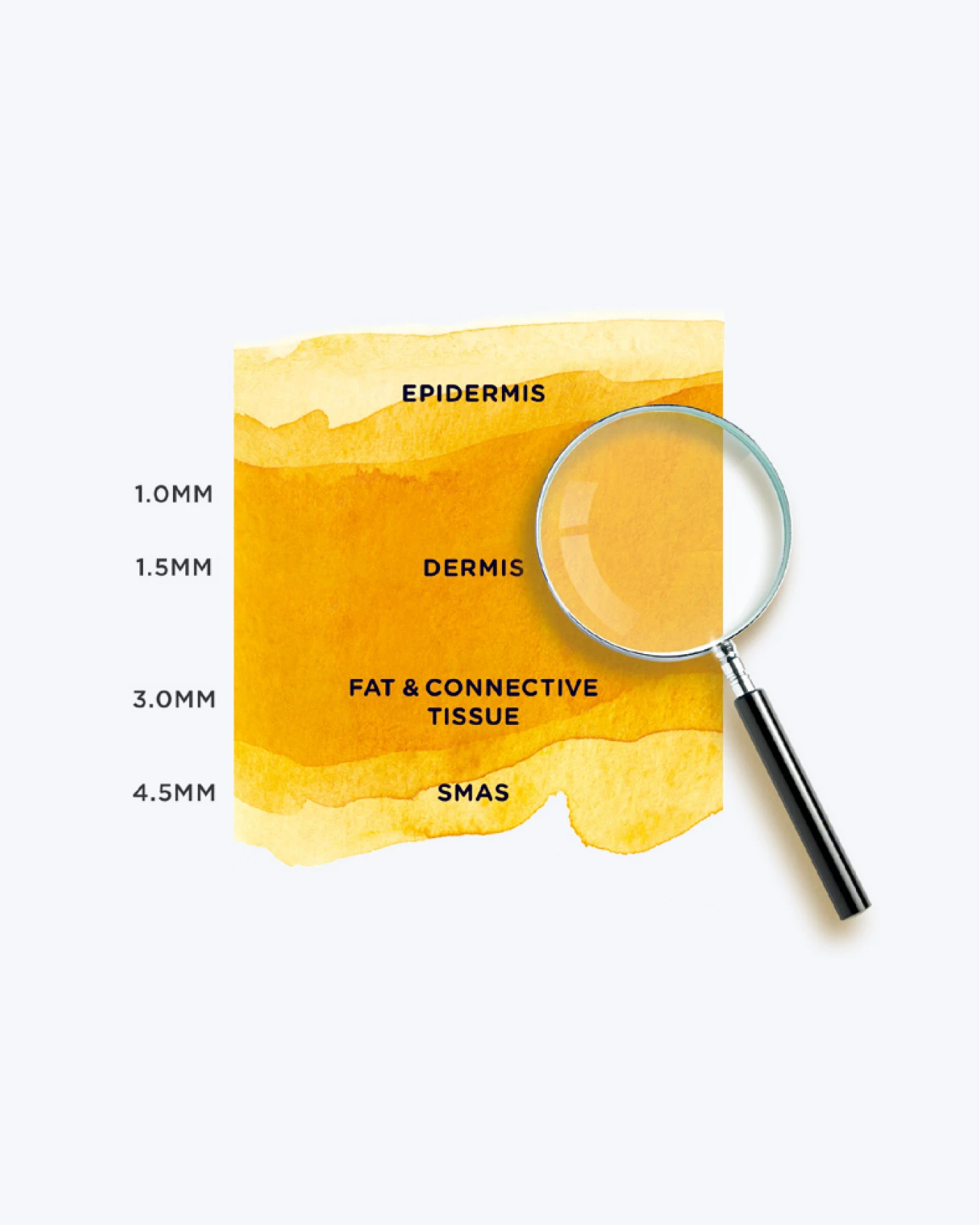
On procedure day, topical anesthetic cream (typically 4–6% lidocaine) is applied to the treatment area and left in place for approximately 45 to 60 minutes before the laser begins. The Fraxel device delivers columns of fractional photothermolysis energy — microscopic treatment zones — into the dermis while leaving surrounding tissue intact, stimulating collagen remodeling and cellular renewal. For a full-face Fraxel re:store DUAL session, active laser time typically ranges from 20 to 35 minutes depending on settings and coverage area. Fraxel re:pair (the ablative CO2 variant) involves more intensive parameters and correspondingly longer treatment and recovery periods.

Immediate Post-Treatment and Recovery

Immediately following the procedure, the treated area will appear red, warm, and mildly swollen — a normal inflammatory response indicating that the treatment has been effective. Most patients describe the sensation as similar to moderate sunburn. Cooling masks and soothing serums are applied in-clinic before you leave. Over the following three to five days, the skin undergoes a process of micro-exfoliation as treated epidermal columns slough away, revealing smoother, more even skin underneath. Full social downtime for a mid-intensity Fraxel re:store session is typically five to seven days; Fraxel re:pair requires ten to fourteen days. Most Seoul dermatology clinics provide detailed written aftercare instructions in English for international patients.

Follow-Up and Series Planning

Fraxel therapy is most effective when approached as a series rather than a single treatment. For concerns such as mild to moderate acne scarring or photoaging, three to five sessions spaced four to six weeks apart represent the standard protocol at most Seoul dermatology centers. Your dermatologist will evaluate treatment response at each follow-up and adjust parameters accordingly. International patients who cannot return for serial treatments often opt for a single higher-intensity session to maximize results within a single visit — a strategy your dermatologist can help you assess based on your specific goals and skin profile.

Pricing and Cost Guide: Fraxel Laser at Seoul Dermatology Clinics

Cost is consistently among the top considerations for international patients exploring Seoul dermatology options. The following price ranges reflect current market conditions and are intended as planning benchmarks rather than guaranteed quotes — individual pricing varies based on clinic tier, treatment area size, device used, and session intensity.

Fraxel re:store DUAL (Non-Ablative)

  • Full Face, Single Session: ₩350,000 – ₩700,000 (approximately USD $265 – $530)
  • Full Face, Series of 3: ₩900,000 – ₩1,800,000 (approximately USD $680 – $1,360)
  • Full Face, Series of 5: ₩1,400,000 – ₩2,800,000 (approximately USD $1,060 – $2,120)
  • Neck Add-On (per session): ₩80,000 – ₩150,000 (approximately USD $60 – $115)

Fraxel re:pair (Ablative CO2)

  • Full Face, Single Session: ₩800,000 – ₩2,000,000 (approximately USD $605 – $1,515)
  • Spot/Scar Treatment (limited area): ₩200,000 – ₩500,000 (approximately USD $150 – $380)

Combination Packages

Many Seoul dermatology clinics offer bundled packages that combine Fraxel with complementary treatments such as Rejuran healer, skin boosters, or LED light therapy. These combination packages typically range from ₩500,000 to ₩3,500,000 (approximately USD $380 – $2,650) depending on the procedures included. Bundling is a legitimate cost-efficiency strategy, but patients should confirm that each component is clinically indicated for their concerns rather than simply packaged for commercial convenience.

How Seoul Pricing Compares Globally

For reference, a single full-face Fraxel re:store session in the United States commonly ranges from USD $1,000 to $2,500, and in the United Kingdom from GBP £800 to £2,000. Even after factoring in international airfare and accommodation, many patients find that the combined cost of a Seoul medical tourism trip for Fraxel treatment — particularly for a multi-session series — remains significantly lower than completing the same series at home. The quality differential that many patients report further reinforces the value proposition.

How to Choose the Right Seoul Dermatology Clinic for Fraxel Treatment

With hundreds of clinics operating in Seoul, identifying the right one requires a structured evaluation approach. The following criteria reflect the standards that consistently predict high patient satisfaction.

Verify Physician Credentials

Confirm that your treating physician is a board-certified dermatologist, not a cosmetic physician or nurse practitioner operating under a physician’s license. In Korea, look for the designation of “피부과 전문의” (Dermatology Specialist). Reputable clinics will display physician credentials prominently and make this information available upon request.

Assess Device Authenticity

Genuine Fraxel devices are manufactured by Solta Medical. Some clinics market treatments under the Fraxel name while using third-party fractional laser devices that may not replicate the clinical profile of the authentic platform. Ask specifically which device model will be used, and verify that the clinic operates a legitimate Fraxel re:store DUAL or re:pair system.

English-Language Support Capability

For international patients, seamless communication is not optional — it is a patient safety requirement. Clinics that regularly serve international patients typically employ English-speaking coordinators or medical staff. During your initial inquiry, assess the quality and responsiveness of communication in English. Clinics that struggle to communicate clearly before your visit are unlikely to improve once you arrive.

Consultation Quality as a Diagnostic Signal

A reputable Seoul dermatology clinic will invest time in your consultation rather than rushing you toward booking. Warning signs include consultations under ten minutes, treatment recommendations made without skin examination, and pressure to purchase multi-session packages before the initial assessment is complete. Thorough, unhurried consultations are a reliable indicator of clinical seriousness.

Before-and-After Documentation Practices

Clinics that maintain robust before-and-after photo archives and are willing to share relevant case examples (with appropriate patient privacy protections) demonstrate a commitment to outcome transparency. Review available portfolio examples critically — genuine clinical photography under standardized conditions differs meaningfully from heavily filtered promotional images.

International Patient Considerations: Logistics, Safety, and Planning

Medical tourism to Seoul involves logistical dimensions that go beyond the clinical encounter itself. This section addresses the practical considerations most relevant to international patients pursuing Fraxel laser treatment.

Timing Your Visit Around Recovery

For Fraxel re:store treatments, plan for five to seven days of visible recovery before social or professional obligations resume. For Fraxel re:pair, budget at least ten to fourteen days. If your Seoul visit is time-limited, scheduling your Fraxel treatment on the first or second day maximizes recovery time within your trip. Avoid scheduling treatments immediately before long-haul flights — cabin air pressure and reduced humidity can compromise healing skin.

Sun Exposure and Travel Timing

Post-Fraxel skin is significantly more photosensitive for up to six weeks following treatment. If your travel itinerary includes beach destinations, extended outdoor sightseeing, or equatorial climates, plan accordingly. Seoul’s spring and autumn seasons are generally considered optimal periods for laser treatment given lower UV indices and more temperate outdoor conditions.

Medical Insurance and Documentation

Most international health insurance plans do not cover elective cosmetic procedures performed abroad. Patients should plan for out-of-pocket expenses and retain all clinical documentation — consultation notes, treatment parameters, and aftercare instructions — for their personal medical records and to facilitate continuity of care with their home dermatologist if needed.

Language and Translation

Seoul dermatology clinics with established international patient programs typically provide medical translation support. However, it is advisable to prepare a brief written summary of your medical history, current medications, known allergies, and specific treatment goals in advance. This document streamlines consultation time and reduces the risk of miscommunication.

Combining Treatments Strategically

Many international patients maximize the value of their Seoul visit by combining Fraxel with other dermatological treatments. Complementary procedures such as injectables, skin boosters, or superficial chemical peels may be schedulable in sequence, subject to your dermatologist’s clinical judgment about appropriate intervals and treatment interactions. Discuss your full aesthetic wishlist at consultation so the clinical team can build an efficient treatment schedule around your available days.

Frequently Asked Questions About Seoul Dermatology and Fraxel Laser

Is Fraxel laser safe for all skin types, including darker Asian skin tones?

Fraxel re:store DUAL is generally considered safe for Fitzpatrick skin types I through V when administered by an experienced dermatologist using appropriate parameters. Darker skin tones (Types IV–VI) require more conservative energy settings and often benefit from pre-treatment with melanin-suppressing agents to minimize the risk of post-inflammatory hyperpigmentation. Seoul dermatology specialists have extensive experience treating Asian skin phototypes and are well-versed in the modifications required for safe outcomes. Fraxel re:pair (ablative CO2) is more commonly reserved for lighter skin types and requires careful clinical evaluation before being recommended for darker complexions.

How many Fraxel sessions will I realistically need to see results?

The number of sessions depends on what you are treating. For mild textural refinement and early photoaging, many patients see meaningful improvement after two to three sessions. Moderate to severe acne scarring typically requires four to six sessions for significant remodeling. A single higher-intensity session can deliver visible but submaximal results for patients whose travel limitations prevent a series. Your seoul dermatology specialist will give you a realistic outcome roadmap at consultation based on your specific presentation and goals.

What is the difference between Fraxel re:store and Fraxel re:pair?

Fraxel re:store DUAL is a non-ablative fractional laser that heats targeted zones within the dermis without breaking the skin surface. It delivers collagen stimulation and pigment reduction with relatively modest downtime (five to seven days of redness and micro-exfoliation). Fraxel re:pair is an ablative fractional CO2 laser that removes microcolumns of tissue entirely, producing more aggressive resurfacing with correspondingly longer recovery (ten to fourteen days or more). The re:pair is generally indicated for deeper scarring, more advanced photoaging, and cases where the patient can tolerate extended downtime in exchange for more dramatic results.

How do I verify that a Seoul dermatology clinic is legitimate before I visit?

Check that the clinic is registered with the Korean Ministry of Health and Welfare (MOHW) and that the treating physician holds board certification in dermatology from the Korean Dermatological Association. Legitimate clinics will provide physician credentials upon request. Research independent reviews from international patients on trusted medical tourism platforms rather than relying solely on clinic-produced testimonials. Look for clinics that are transparent about their device models, pricing, and consultation process. A genuine consultation offer — rather than immediate treatment booking — is a positive indicator of clinical integrity.

Can I combine Fraxel laser with other treatments during my Seoul visit?

In many cases, yes — but the specific combination and sequencing depends on clinical factors that your dermatologist must assess individually. Treatments that are commonly paired with Fraxel in Korean dermatology practice include hyaluronic acid skin boosters (often administered one to two weeks after Fraxel once the skin barrier has recovered), Rejuran healer, and targeted injectable treatments. Treatments that involve significant skin disruption — such as chemical peels or microneedling — are generally not combined in the same session as Fraxel. Your consultation is the appropriate moment to discuss your full treatment interests so that an integrated, safe schedule can be designed.

What aftercare products should I use following Fraxel treatment in Seoul?

In the immediate post-treatment phase (days one through five), the focus is on barrier support and infection prevention. Most seoul dermatology clinics prescribe or recommend a specific aftercare kit that may include a gentle non-foaming cleanser, a healing ointment or hydrating mask, and broad-spectrum SPF 50+ sunscreen. Avoid active ingredients — retinoids, vitamin C serums, AHAs, BHAs — until the skin has fully re-epithelialized, typically around day seven for non-ablative treatments. Your clinical team will provide a written protocol tailored to your specific treatment intensity. If you are traveling internationally after your procedure, pack all aftercare products in your carry-on luggage.

How much does a Fraxel series cost compared to getting the same treatment at home?

A full five-session Fraxel re:store series at a reputable Seoul dermatology clinic currently ranges from approximately ₩1,400,000 to ₩2,800,000 (USD $1,060 – $2,120). The equivalent series in the United States would typically cost USD $5,000 to $12,500 depending on provider and market. Even accounting for round-trip airfare from major US cities (commonly USD $800–$1,400) and accommodation, the total outlay for a Seoul treatment trip often remains substantially lower than domestic treatment cost. Many patients combine their medical visit with tourism, further distributing the travel cost across the overall experience.

Related Resources for Seoul Dermatology and Medical Tourism

Navigating Seoul’s dermatology landscape as an international patient is much easier when you have access to reliable, specialized resources. The following platforms offer complementary perspectives, clinic reviews, and practical guidance that international patients consistently find valuable.

For a comprehensive clinical overview of what top-tier Seoul skin clinics currently offer, Seoul Dermatology Center provides detailed profiles of leading practitioners and treatment protocols across the city’s major dermatology hubs.

Independent patient reviews are invaluable for calibrating expectations before committing to a clinic — Korean Clinic Review aggregates verified international patient experiences across a wide range of Korean aesthetic medicine providers.

If you are in the early stages of planning a medical trip to Korea, Treatment in Korea offers a structured introduction to procedures, logistics, and cost comparisons that is particularly well-suited to first-time medical tourists.

For patients seeking a broader view of Seoul’s medical tourism ecosystem — including hospital-affiliated clinics and multi-specialty options — Seoul Medical Hub provides an authoritative directory and educational content developed with international patients in mind.

Comparative cost analysis across Korean aesthetic medicine providers is the specialty of Best Medical Tour Korea, a resource that helps patients benchmark pricing and evaluate package deals with appropriate clinical context.

Detailed written reviews of specific Seoul dermatology experiences — covering consultation quality, clinical communication, and outcome satisfaction — are the focus of Seoul Dermatology Review, a community-driven platform that international patients reference extensively.

For those wanting to explore the full breadth of Korean dermatology clinic options beyond the Gangnam corridor, Korea Dermatology Clinics maintains an updated directory covering clinics across Seoul and other major Korean cities.

Patients specifically researching how Korean dermatological standards apply to international visitors will find Seoul Dermatology Korea a useful deep-dive resource addressing clinical quality, regulatory oversight, and patient rights in the Korean system.

For Gangnam-specific clinical intelligence — including practitioner profiles, device inventories, and neighborhood-level logistics — Gangnam Derm Clinic is a targeted resource developed for patients focusing their search on this high-concentration aesthetic medicine district.

International patients for whom English-language clinical communication is a primary concern will find English Speaking Clinic Seoul an essential reference, with verified information on which clinics maintain dedicated English-capable medical and coordination staff.

For non-Korean nationals navigating the practical dimensions of receiving dermatological care in Seoul — including appointment systems, medical records access, and aftercare follow-up — Skin Clinic Seoul Foreigner addresses the foreigner patient experience with actionable detail.

Patients interested in combining Fraxel treatment with bioremodeling injectables will find Profhilo Korea a valuable companion resource, covering the clinical application and pricing of this increasingly popular skin quality treatment available across Seoul dermatology clinics.

For those exploring radiofrequency-based skin tightening as a complement or alternative to laser resurfacing, Thermage Clinic Korea provides a focused guide to Thermage FLX availability, pricing, and clinical indications at Korean aesthetic medicine centers.


Medical Disclaimer

The information presented on this page is intended solely for general educational purposes and to assist international patients in their preliminary research. It does not constitute medical advice, diagnosis, or a recommendation for any specific treatment, procedure, or clinic. Individual suitability for Fraxel laser treatment or any other dermatological procedure must be assessed by a qualified, licensed medical professional following a comprehensive in-person consultation. Pricing figures are representative market ranges and subject to change without notice; always confirm current pricing directly with your chosen clinic. Results from dermatological treatments vary between individuals based on skin type, treatment history, lifestyle factors, and other clinical variables. The publisher of this content does not endorse any specific clinic or practitioner. Always seek the guidance of your own physician or other qualified health provider with any questions you may have regarding a medical condition or treatment.


About the Author

Senior Medical Content Writer — Korean Dermatology & Aesthetic Medicine
This article was researched and written by a senior medical content specialist with extensive experience covering Korean dermatology, laser medicine, and Asia-Pacific medical tourism. Content is reviewed for clinical accuracy against current dermatological guidelines and is developed in consultation with board-certified dermatology practitioners. All pricing data is sourced from direct clinic research and updated on a regular editorial cycle. The author has no financial relationships with any specific clinic or device manufacturer referenced in this content.